A practical guide for parents, teachers and students ·
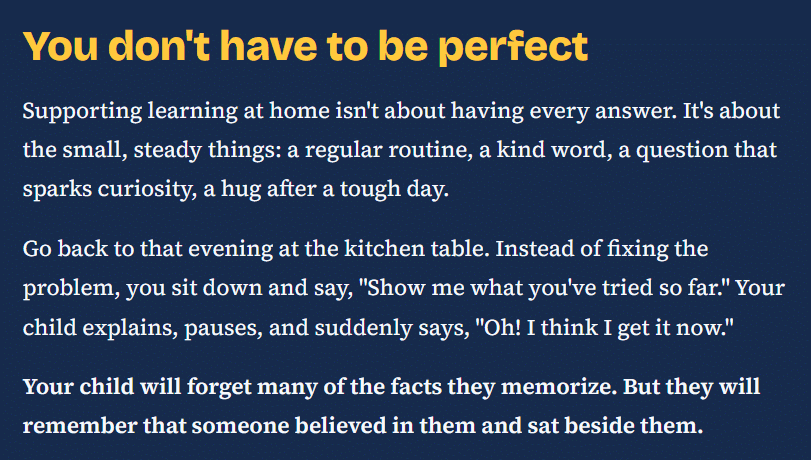
It’s 7:30 in the evening. Dinner is over, the dishes are in the sink, and your child is sitting at the table with a math worksheet. Ten minutes later, there’s a sigh, a pencil tapping, and then the words every parent knows: “I don’t get it.”
Do you jump in? Do you say “just try again”? Do you quietly wish the school would handle it?
If this feels familiar, you’re not alone. The good news is that you don’t need to be a teacher to help your child learn. You just need to be present, patient, and a little bit creative.
You matter more than you think
Teachers spend about five or six hours a day with your child. You spend the rest. What happens at home, such as the conversations, the routines, and the attitude toward learning, shapes how your child feels about school. Children who feel supported at home tend to be more confident, more curious, and more willing to try hard things. That support doesn’t come from perfect answers. It comes from showing up.
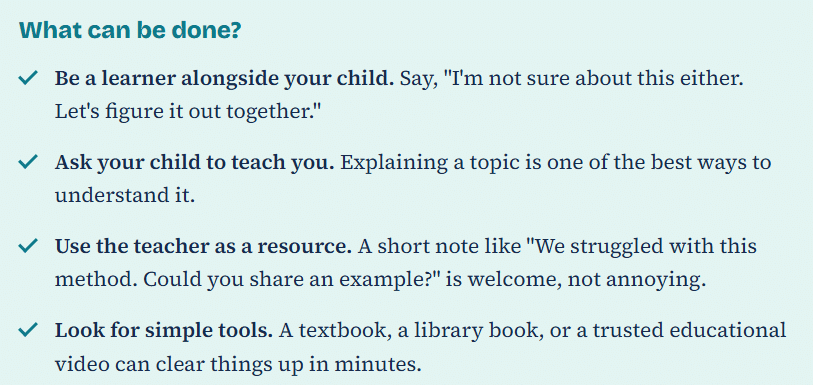
Challenge 1: “I don’t understand the homework myself”
Schools change how they teach. The method your child brings home may look nothing like the one you learned. It’s easy to feel lost, or even embarrassed.
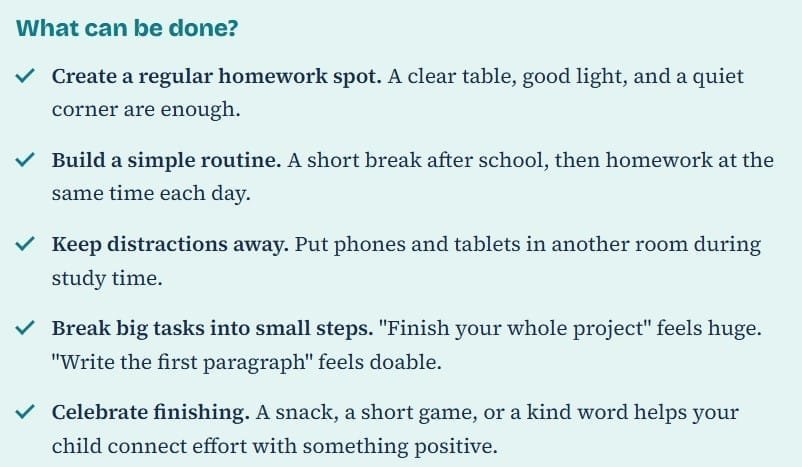
Challenge 2: Your child avoids homework or gets distracted
Maybe your child “forgets” the homework, takes forever to start, or drifts off every five minutes. Phones, TV, siblings, and tiredness all compete for attention.
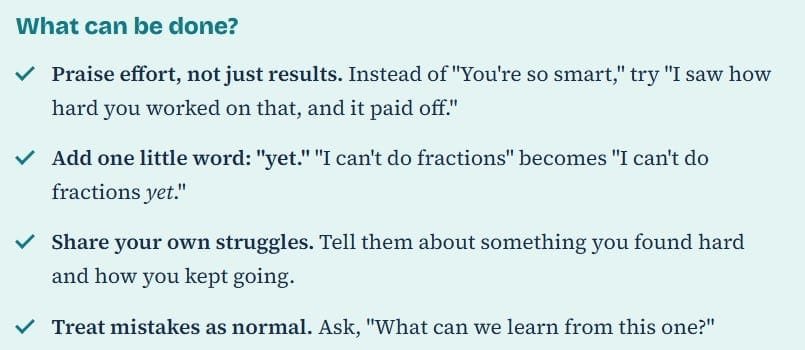
Challenge 3: Your child says “I’m just bad at this
“I’m bad at math.” “I can’t write.” These words can hurt to hear, and they can also hold your child bac
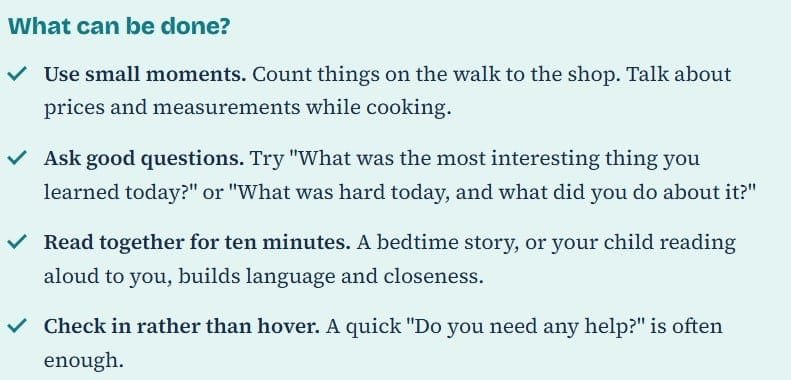
 Challenge 4: Not enough time
Work, chores, and cooking leave many parents exhausted. Sitting beside your child for two hours of homework isn’t realistic, and you don’t have to.
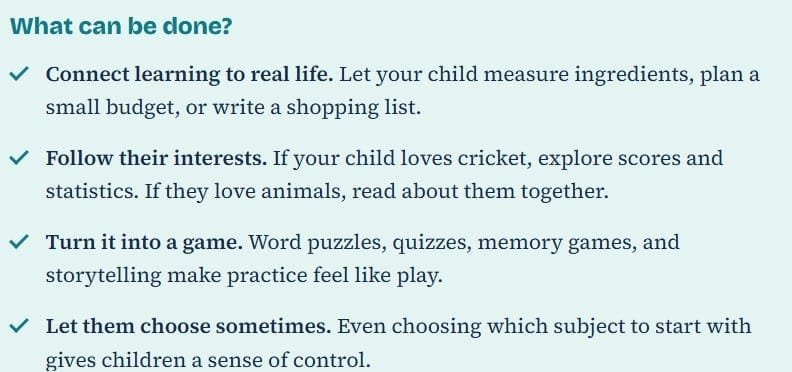
 Challenge 5: Learning feels boring at home
Some children see learning as something that only happens at school and only with a worksheet. They switch off quickly.
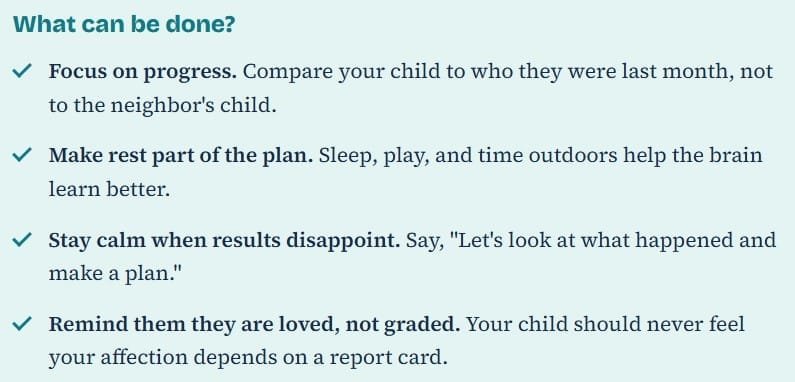
 Challenge 6: Too much pressure
Sometimes we care so much that we push too hard. Constant comparison with other children, or an obsession with marks, can leave a child anxious and discouraged.
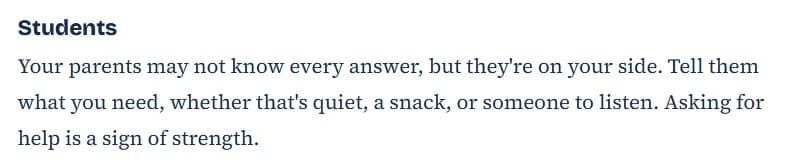
A quick word for teachers and students